
How Women Over 40 Can Evaluate Plant Protein Labels
Learn how to compare plant-based protein powders by protein content, amino acids, serving sizes, allergens, sweeteners, and testing claims.
Start With Protein Amounts and Serving Sizes
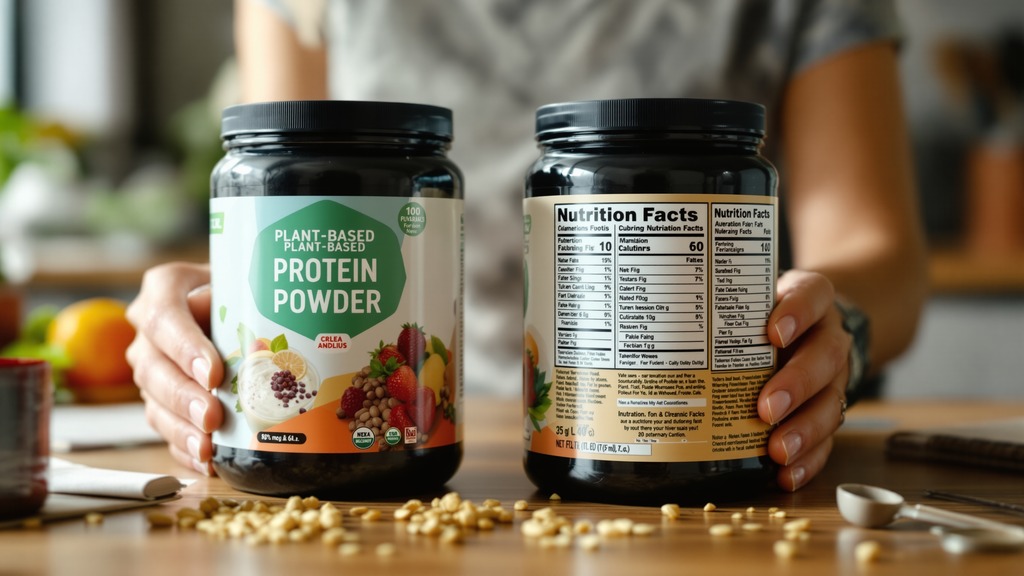
When comparing plant-based protein powders, begin with the protein amount per serving—not the size of the scoop or the number of servings in the tub. Two products may both advertise “20 servings,” yet one may provide 20 grams of protein per scoop while another provides only 12 grams. Check the Nutrition Facts panel and compare the protein amount using the same serving size whenever possible. Also note calories, carbohydrates, fiber, and added sugars, especially if you are choosing a powder for breakfast, a smoothie, or post-exercise convenience.
Women over 40 may have different routines and preferences, but the label still needs to match the way the product will be used. A larger scoop is not automatically better, and a high-protein product may not suit someone seeking a lighter snack. Look at the ingredient list alongside the Nutrition Facts panel to see whether the protein comes mainly from peas, soy, rice, hemp, or a blend. For flexitarian shoppers, this simple comparison creates a practical starting point without relying on vague front-label language such as “high performance” or “complete wellness.”
Look Beyond the Protein Number
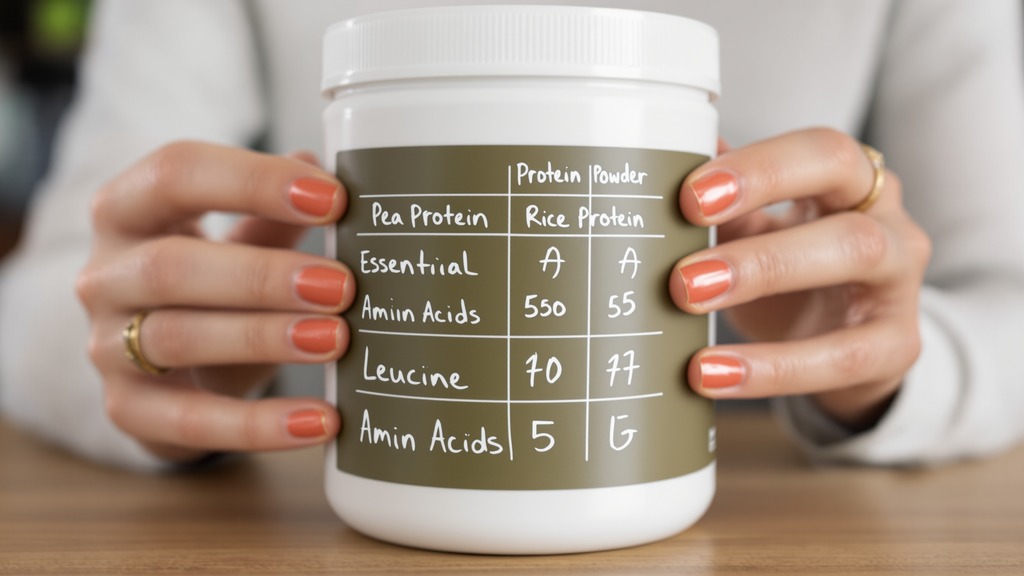
Protein quantity is important, but amino acid quality adds useful context. Plant proteins can differ in their amino acid profiles, and some powders combine sources—such as pea and rice—to provide a broader mix. If the label lists an amino acid profile, review whether it identifies essential amino acids or includes leucine and the other branched-chain amino acids. These details do not make one product universally best, but they can help you compare formulas more thoughtfully.
Pay attention to how the manufacturer presents serving size and blend proportions. A product may list several protein sources, yet disclose little about how much of each is included. “Complete protein” can be a helpful description when supported by a clear ingredient and nutrition panel, but it is not a substitute for checking total protein, calories, and your own dietary needs. If you have kidney disease, digestive conditions, medication concerns, or a medically prescribed diet, ask a qualified clinician before adding a supplement. A nutrition label supports informed shopping; it does not diagnose or treat a health condition.
Check Sweeteners, Allergens, Testing, and Marketing Claims
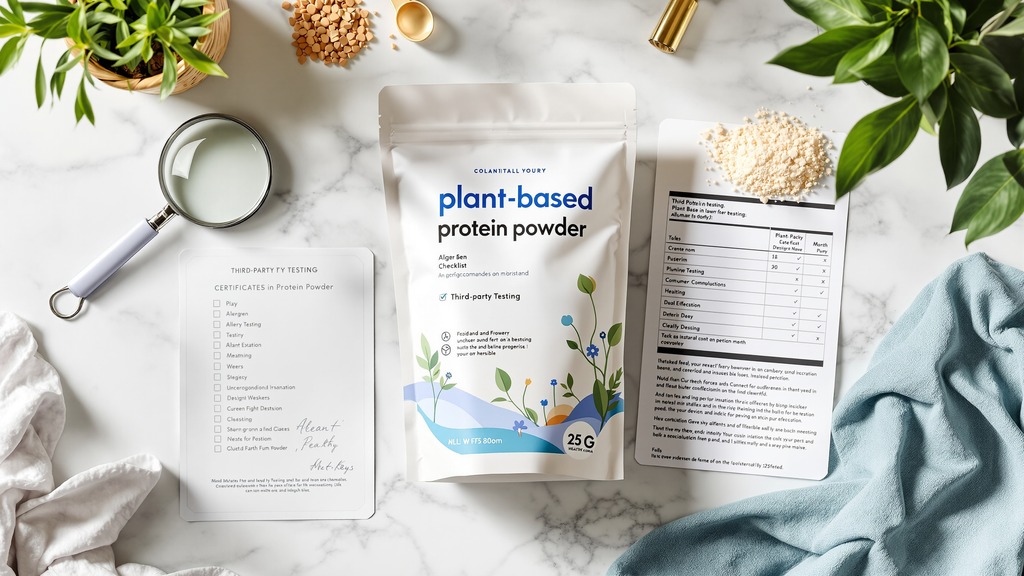
Next, scan the full ingredient list for sweeteners, flavors, thickeners, and allergens. Stevia, monk fruit, sugar alcohols, and added sugars can affect taste and digestion differently, so choose according to your preferences rather than assuming “sugar-free” means universally better. Look for clearly declared allergens, including soy, peanuts, tree nuts, wheat, and milk, as well as shared-facility statements. Certifications such as vegan or gluten-free may be useful, but verify what the certification actually covers.
Third-party testing is another important quality signal. Look for specific documentation or recognized seals that explain testing for identity, purity, contaminants, or banned substances. “Natural,” “clean,” “premium,” and “doctor formulated” may sound persuasive but provide little practical guidance unless the company defines them. Favor brands that publish transparent ingredient, dosage, sourcing, and testing information, along with batch or certificate details when available. Before subscribing, confirm the product’s return policy, delivery schedule, and cancellation process. The best plant-based protein choice is one you can evaluate confidently, tolerate comfortably, and use consistently.